

 Hands-Free
APMA Certified Shoes
Read MoreRead Less

Shop by Gender:
Show Filters
111 Products
Hands-Free


 Quick Shop


 Quick Shop

 Hands-Free


 Quick Shop

 Hands-Free

 Hands-Free


 Hands-Free




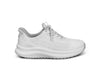
 Hands-Free


 Quick Shop

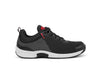


 Hands-Free


 Hands-Free


 Quick Shop


 Quick Shop

 Hands-Free

 Hands-Free


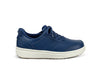


 Hands-Free

 Hands-Free

 Hands-Free

 Hands-Free

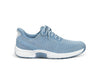
 Hands-Free

 Hands-Free

 Hands-Free


 Hands-Free

 Quick Shop

 Hands-Free

 Quick Shop

 Quick Shop

 Quick Shop

 Hands-Free


 Hands-Free

 NEW
NEW


 Hands-Free


 NEW
Quick Shop
NEW
Quick Shop


 Hands-Free

 Hands-Free


 Hands-Free


 Hands-Free

 Hands-Free


 NEW
NEW


 Hands-Free


 Hands-Free

 Quick Shop


 NEW
NEW


 Hands-Free


 Hands-Free


 Quick Shop



 NEW
NEW

 Hands-Free

 Hands-Free


 Quick Shop


 Hands-Free

 Quick Shop

 Hands-Free

 Hands-Free


 Hands-Free


 Hands-Free


 Hands-Free

 Hands-Free


 Hands-Free


 Hands-Free


 Hands-Free

 NEW
NEW

 Hands-Free

 Hands-Free


 Hands-Free


 Hands-Free

 NEW
NEW


 Hands-Free


 NEW
NEW


 Quick Shop

 Hands-Free


 NEW
NEW






 Hands-Free


 Hands-Free
 Hands-Free


 NEW
NEW


 NEW
NEW




 NEW
NEW




96 of 111 products
Load More
FAQs
What is APMA in shoes?
The APMA, or American Podiatric Medical Association, awards its Seal of Acceptance to footwear that promotes good foot health. Shoes with the APMA Seal have been evaluated by podiatric professionals and found to provide supportive, comfortable, and health-oriented features that can benefit people with various foot conditions. When you see the APMA Seal on a pair of shoes, you know they’ve been certified to meet high standards for foot health and wellness.
Can APMA-approved shoes help with foot pain caused by standing all day?
APMA Certified shoes are designed with features like orthotic insoles, ergonomic soles, and cushioned footbeds that provide superior support and shock absorption. This helps reduce strain on your feet, knees, and lower back, making them ideal for people who are on their feet for extended periods.
Are APMA-accepted shoes suitable for people with diabetes or sensitive feet?
Absolutely. Orthofeet’s APMA Certified shoes feature soft, seam-free interiors and extra depth to reduce friction and pressure points. These design elements help prevent irritation and promote circulation, making them a great choice for individuals with diabetes or neuropathy.
How does the APMA Seal of Acceptance benefit those with foot conditions?
Orthopedic shoes are designed to accommodate and protect sensitive feet affected by conditions such as diabetes or neuropathy. These shoes typically offer features like extra depth to fit custom orthotics, seamless interiors to prevent irritation, and enhanced cushioning to reduce pressure points. Orthofeet’s
diabetes shoes and
neuropathy shoes focus on reducing the risk of sores, improving circulation, and providing stable support, which is essential for managing these conditions and promoting overall foot health.
What shoes do podiatrists recommend?
Podiatrists often recommend shoes that offer strong arch support, cushioned soles, and ample room for the toes to prevent pressure and irritation. Brands like Orthofeet, which provide orthopedic support, soft interiors, and ergonomic designs, are frequently recommended by podiatrists for their focus on relieving pain from common foot conditions like plantar fasciitis, arthritis, and bunions. Look for shoes with the APMA Seal of Acceptance, which signifies that the footwear meets professional standards for foot health.
What shoes do podiatrists not recommend?
Podiatrists generally advise against shoes that lack support, cushioning, or a proper fit. High heels, flats with little arch support, and narrow or overly tight shoes can contribute to foot problems, including bunions, plantar fasciitis, and joint pain. Shoes with thin, unsupportive soles can lead to discomfort and may worsen foot and lower body alignment issues over time. It’s best to choose shoes that prioritize support, stability, and a comfortable, roomy fit.