


Metatarsalgia Shoes

Shop by Gender:
Show Filters
50 Products


 Quick Shop


 Quick Shop

 Hands-Free


 Hands-Free


 Quick Shop


 Quick Shop

 Quick Shop
 Hands-Free


 Quick Shop
 Hands-Free



 Quick Shop


 Hands-Free


 Hands-Free

 Hands-Free


 Hands-Free


 Hands-Free
 Hands-Free


 Hands-Free


 Hands-Free
 Hands-Free


 Quick Shop


 Quick Shop


 Quick Shop


 Hands-Free
 Hands-Free

 Quick Shop



 Quick Shop
 Hands-Free




 Quick Shop



 Hands-Free


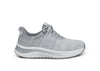


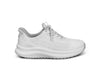


 Hands-Free


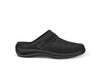

 Quick Shop
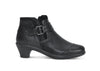


 Hands-Free



 Hands-Free

 Hands-Free
 Quick Shop

50 of 50 products
FAQs
How does Orthofeet®'s provide support for metatarsalgia?
Orthofeet® features advanced orthotic insoles that provide anatomical arch support to properly align the foot, reducing pressure on the metatarsal heads and ball of the foot.
A multi-layer padding and cushioning midsole absorb shock forces and relieves pressure.
The ergonomic sole is engineered with a mild rocker bottom, designed to evenly distribute the weight under the foot.
A multi-layer padding and cushioning midsole absorb shock forces and relieves pressure.
The ergonomic sole is engineered with a mild rocker bottom, designed to evenly distribute the weight under the foot.
Looking for more styles of shoes for metatarsalgia? Sneakers, Boots, Slippers, Sandals, Dress
How often should I replace my shoes to prevent metatarsalgia?
The frequency with which you need to replace your shoes to prevent metatarsalgia can vary depending on several factors, including the type of shoe, your activity level and your foot type.
What shoes are good for metatarsalgia?
Here are some general guidelines for selecting shoes to alleviate or prevent metatarsalgia:
- Ample cushioning in the forefoot area helps to absorb shock and reduce pressure on the metatarsal bones.
- Proper arch support helps distribute weight evenly across the foot and reduces strain on the metatarsals.
- A wide toe box that allows your toes to spread naturally helps to alleviate pressure on the metatarsals.
- Avoid shoes with high heels or excessive heel elevation that can shift the body's weight forward, increasing pressure on the ball of the foot. - A flexible sole allows for natural foot movement, promoting better shock absorption and helping to distribute pressure more evenly.
- Shoes that are too tight or narrow can increase pressure on the metatarsal area.
Is walking barefoot good for metatarsalgia?
No, walking barefoot, especially on hard surfaces such as concrete or pavement, may increase stress on the metatarsals and worsen symptoms.
What makes metatarsalgia worse?
Several factors can make metatarsalgia worse:
- High-impact activities such as running or jumping can increase the pressure on the metatarsal heads, aggravating metatarsalgia.
- Wearing shoes that are too tight, narrow, or have insufficient cushioning.
- Wearing high-heeled shoes can place excessive pressure on the ball of the foot, particularly on the metatarsal heads.
- Extended periods of standing or walking without adequate rest or footwear.
- Carrying excess body weight can put additional stress on the feet and exacerbate metatarsalgia symptoms.
- Structural abnormalities, such as high arches, flat feet, or foot imbalances can contribute to metatarsalgia, especially if you don't wear proper shoes.
Should I exercise with metatarsalgia?
The decision to exercise with metatarsalgia depends on the severity of your symptoms and the advice of your healthcare professional.