


Shoes for Morton's Neuroma

Shop by Gender:
Show Filters
50 Products
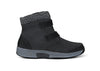


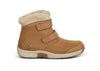
 Quick Shop
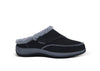


 Quick Shop

 Hands-Free
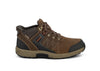


 Hands-Free


 Quick Shop


 Quick Shop

 Quick Shop
 Hands-Free


 Quick Shop
 Hands-Free



 Quick Shop


 Hands-Free


 Hands-Free

 Hands-Free


 Hands-Free


 Hands-Free
 Hands-Free


 Hands-Free


 Hands-Free
 Hands-Free


 Quick Shop


 Quick Shop


 Quick Shop


 Hands-Free
 Hands-Free

 Quick Shop



 Quick Shop
 Hands-Free




 Quick Shop



 Hands-Free


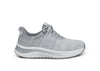


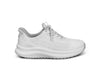


 Hands-Free


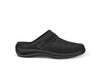

 Quick Shop
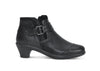


 Hands-Free


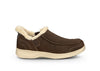

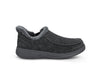
 Hands-Free

 Hands-Free
 Quick Shop

50 of 50 products
FAQs
How can Orthofeet® shoes support Morton's Neuroma?
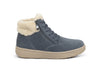
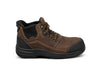
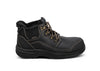
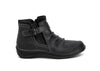
Orthofeet® shoes are engineered with a wide toe-box and extra depth that offer a relaxed, comfortable fit, eliminating pressure on Morton's Neuroma.
The stretchable uppers of these shoes for Morton's neuroma conform to the contours of the foot, easing pressure on the forefoot.
Premium orthotic insoles with anatomical arch support control overpronation, helping reduce pressure on the ball of the foot.
The stretchable uppers of these shoes for Morton's neuroma conform to the contours of the foot, easing pressure on the forefoot.
Premium orthotic insoles with anatomical arch support control overpronation, helping reduce pressure on the ball of the foot.
To see more footwear for Morton's Neuroma: Slippers, Sandals, Boots, Sneakers
Can wearing shoes with a narrow toe box contribute to the development of Morton's neuroma?
Here are some key features to look for in shoes that can help alleviate symptoms and provide relief:
- A roomy toe box that allows your toes to spread naturally, to reduce compression and pressure on the affected area, alleviating discomfort.
- A low or no heel, as elevated heels can shift your weight forward, increasing pressure on the forefoot. A flatter shoe with a more even distribution of weight can help relieve symptoms.
- Ample cushioning in the forefoot area. Cushioning materials like foam or gel can help absorb impact and reduce pressure on the affected nerve. - Proper arch support is important for maintaining foot alignment and reducing strain on the metatarsals.
- Removable insoles allow you to customize the fit and accommodate any orthotic inserts or custom-made insoles prescribed by your healthcare professional.
- Soft, flexible materials can help minimize friction and rubbing, and provide a comfortable and forgiving fit, reducing irritation on the affected nerve.
What type of shoe is best for Morton's neuroma?
Here are some key features to look for in shoes that can help alleviate symptoms and provide relief:
- A roomy toe box that allows your toes to spread naturally, to reduce compression and pressure on the affected area, alleviating discomfort.
- A low or no heel, as elevated heels can shift your weight forward, increasing pressure on the forefoot. A flatter shoe with a more even distribution of weight can help relieve symptoms.
- Ample cushioning in the forefoot area. Cushioning materials like foam or gel can help absorb impact and reduce pressure on the affected nerve. - Proper arch support is important for maintaining foot alignment and reducing strain on the metatarsals.
- Removable insoles allow you to customize the fit and accommodate any orthotic inserts or custom-made insoles prescribed by your healthcare professional.
- Soft, flexible materials can help minimize friction and rubbing, and provide a comfortable and forgiving fit, reducing irritation on the affected nerve.
Are flat shoes good for Morton's neuroma?
Yes, flat shoes are a suitable choice for individuals with Morton's neuroma because they put extra pressure on the forefoot, as long as they provide proper cushioning, support and a spacious toe box.
Is it OK to walk with Morton's neuroma?
Walking can be generally acceptable with Morton's neuroma, but it depends on the severity of your symptoms and the advice of your healthcare professional. In any case, make sure you wear the right footwear that provides the support your Morton's neuroma needs.