Hands-Free


 Hands-Free
 Hands-Free
 NEW
NEW

 NEW
NEW
 Hands-Free
 Hands-Free
Quick Shop
Hands-Free
Quick Shop
 Hands-Free

 Hands-Free
 NEW
NEW


 Hands-Free


 Hands-Free
 Hands-Free
 Hands-Free
 Quick Shop


 Hands-Free
 Hands-Free
 Quick Shop
 Hands-Free
 Quick Shop
 Quick Shop
 NEW
NEW



 Hands-Free
 Hands-Free


 NEW
NEW
 Hands-Free


 Quick Shop
 Quick Shop
 Hands-Free
 Hands-Free
 NEW
NEW
 Hands-Free
 Hands-Free
 Hands-Free
 Hands-Free
 Hands-Free

 Hands-Free
 Quick Shop
 Quick Shop

 Hands-Free
 Hands-Free


 Quick Shop
 Hands-Free


 Quick Shop

 Hands-Free
 Quick Shop

 NEW
NEW
 Hands-Free
 NEW
NEW
 Quick Shop
 Hands-Free


 NEW
NEW
 NEW
NEW

 NEW
NEW
 NEW
NEW
 Hands-Free


 Hands-Free

 NEW
Quick Shop
NEW
Quick Shop
 NEW
NEW
 NEW
Quick Shop
NEW
Quick Shop
 NEW
Quick Shop
NEW
Quick Shop
 NEW
NEW
 NEW
Quick Shop
NEW
Quick Shop
 NEW
Quick Shop
NEW
Quick Shop
 NEW
NEW
 NEW
NEW


 NEW
Quick Shop
NEW
Quick Shop
 NEW
Quick Shop
NEW
Quick Shop
 NEW
NEW
 NEW
NEW

 NEW
NEW
 NEW
Quick Shop
NEW
Quick Shop
 NEW
NEW


 NEW
NEW
 Quick Shop
 Hands-Free
 Hands-Free
 Hands-Free

 Quick Shop


 Quick Shop
 Quick Shop
Every podiatrist has their own preference regarding what shoes are best. However, all would agree that the best shoes are ones that are designed to promote biomechanical movement and a healthy foot environment. Orthopedic shoes can help correct underlying structural conditions such as giving arch support to flat feet or cushioning a heel with a thinning fat pad. There are many conditions for which orthopedic shoes can be helpful.
Your podiatrist will recommend an orthopedic shoe that focuses on treating your issue. If you suffer from neuropathy, an orthopedic shoe with a seam free interior is a must, while someone with ball of foot pain will need a metatarsal pad in the toe area. However, there are basic elements all would agree upon. Shoes designed with a wide shape, that does not squeeze the foot and toes, offer a relaxed and pressure free fit and prevent the formation of bunions, and hammertoes. Arch support & cushioning is key to cup the heel, support the arch, align the feet & body and disperse shock forces. Ample adjustability and flexible uppers offer a customized fit for your feet no matter what shape they are.
If you are experiencing pain or have a condition, seek the advice of a medical provider. They will diagnose you and will most likely recommend a treatment plan that includes the right footwear and orthotics.
To weed through the many options that are out there, look at your feet and specific lifestyle to help you determine the best orthopedic shoes for you.
Know your foot shape: Ensure your shoes match your foot type, choosing from options like wide or extra-wide shoes to achieve the perfect fit. Additionally, if you have a misshapen foot, such as a bunion, heel spur, or hammertoe, look for shoes specifically designed to accommodate these conditions, such as shoes for bunions.
Type of activities you engage in: Consider the primary use of your footwear, whether it's for high-impact activities like walking shoes or running shoes with arch support, prolonged periods of standing during work, or general daily use.
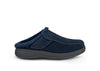
Type of floor you stand on: Consider the surfaces you frequently encounter. For example, if you're wearing these shoes inside your home, opt for comfortable men’s house slippers.
Existing condition: Do you have a health issue that requires specific footwear features? Consider if you need shoes for back pain, shoes for flat feet, or plantar fasciitis shoes. Choose footwear designed to address and alleviate these conditions effectively.