


Best Hip Pain Shoes for Men & Women

Shop by Gender:
Show Filters
50 Products


 Quick Shop


 Hands-Free


 Quick Shop

 Quick Shop


 Quick Shop

 Hands-Free


 Hands-Free


 Hands-Free



 Quick Shop
 Quick Shop
 Hands-Free


 Hands-Free

 Hands-Free

 Hands-Free
 Hands-Free


 Hands-Free


 Hands-Free
 Quick Shop


 Quick Shop


 Hands-Free



 Hands-Free


 Quick Shop


 Hands-Free

 Quick Shop


 Hands-Free
 Quick Shop



 Hands-Free


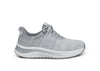


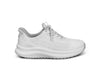


 Quick Shop
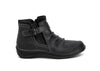

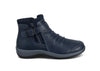
 Hands-Free




 Quick Shop


 Hands-Free


 Quick Shop


 Hands-Free



 Hands-Free

 Hands-Free
 Quick Shop

50 of 50 products
FAQs
How do Orthofeet® shoes alleviate hip pain?
Our premium orthotic insoles with anatomical arch support prevent the foot from rolling inwards, re-align the lower limb and hip, and improve hip joint function. Our cushioning soles absorbs impact, softens every step you take, and prevents much of the shock from getting to the hips. Lastly, a firm heel counter and wide soles increase stability and helps control overpronation.
Can your shoes cause hip pain?
Yes, shoes can potentially contribute to hip pain. The way your shoes affect your gait and alignment can impact the biomechanics of your entire body, including your hips.
Do certain shoes help with hip pain?
While shoes alone may not fully resolve hip pain, wearing the right shoes can help alleviate discomfort and provide support for the hips. Here are the important design features to look for:
- Adequate cushioning in the soles helps to absorb shock and reduce the impact on the hips during walking or running.
- Proper arch support can help maintain optimal foot alignment, which in turn can promote better hip alignment.
- Look for shoes with a firm midsole and supportive heel counter to provide stability and limit over pronation or over supination.
- Ensure that your shoes fit properly to avoid additional strain on the hips. Shoes that are too tight or too loose can lead to altered gait patterns and instability.
- Shoes with low-impact features, such as cushioned or shock absorbing soles, can help minimize joint stress and provide relief. It's important to note that the effectiveness of shoes in managing hip pain can vary depending on the underlying cause of the pain and individual factors.
Are flat shoes bad for your hips?
Flat shoes with proper support and cushioning can potentially have very positive effects on the hips. On the other hand, high-heeled shoes change the alignment of the body, causing a forward shift of the center of gravity and changing the posture and putting stress on the hip joints. High heels also: - shift the body's weight forward onto the balls of the feet, which can increase the load and pressure on the hip joints. - restrict natural movement of the foot and ankle, affecting the normal gait pattern and altering hip mechanics. - shorten and tighten the calf muscles, impacting the overall muscle balance around the hip joint.
Can poor arch support cause hip pain?
Yes, the arches of the feet play a crucial role in distributing forces and maintaining proper alignment throughout the lower body. When the arches are not adequately supported, it can lead to altered foot mechanics and affect the alignment of the entire lower extremity, including the hips.
Can walking improve hip pain?
Yes, walking can potentially improve hip pain, depending on the underlying cause of the pain and the shoes you wear. Regular walking can help strengthen the leg and hip muscles, promoting better hip stability and support. Stronger muscles can help alleviate stress on the hip joints and potentially reduce pain. Additionally, walking increases blood flow to the muscles and joints, including the hips. This improved circulation can help deliver nutrients and oxygen to the hip joint, promoting healing and reducing inflammation. Walking also helps maintain joint mobility, preventing stiffness and promoting a healthy range of motion in the hips.