


Haglund's Deformity Shoes for Men & Women

Shop by Gender:
Show Filters
50 Products
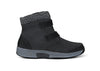


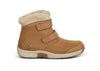
 Hands-Free


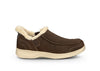

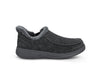
 Quick Shop


 Hands-Free


 Hands-Free


 Quick Shop


 Quick Shop


 Quick Shop

 Hands-Free


 Hands-Free


 Hands-Free



 Quick Shop
 Quick Shop
 Hands-Free


 Hands-Free

 Hands-Free

 Hands-Free
 Hands-Free


 Hands-Free


 Hands-Free
 Quick Shop


 Quick Shop


 Hands-Free



 Hands-Free
 Hands-Free


 Quick Shop


 Hands-Free

 Quick Shop


 Hands-Free
 Quick Shop



 Hands-Free






 Quick Shop

 Hands-Free




 Quick Shop


 Hands-Free


 Quick Shop


50 of 50 products
FAQs
How does Orthofeet® help alleviate pain from Haglund's deformity?
Our shoes feature soft, padded collars that cradle the heel and help alleviate pressure on Haglund's deformity.
They also come with anatomical orthotic insoles that provide superior arch support to align the heel, alleviating pressure on the heel.
Lastly, our lightweight, ergonomic soles feature a mild rocker design to improve the ease of walking.
They also come with anatomical orthotic insoles that provide superior arch support to align the heel, alleviating pressure on the heel.
Lastly, our lightweight, ergonomic soles feature a mild rocker design to improve the ease of walking.
Can shoe inserts or insoles be helpful in managing Haglund's deformity?
Yes, shoe inserts or insoles can help to reduce the pressure on the back of the heel, which can help to relieve pain and inflammation. They can also help to relieve pain and inflammation, improve range of motion, and prevent further damage to the heel. There are a variety of different shoe inserts or insoles available, so it is important to find one that fits well and provides the right amount of support.
How do you wear shoes with Haglund's deformity?
Here are some tips on how to wear shoes with Haglund's deformity:
- Choose shoes that fit well and have good arch support. Shoes that are too tight or too loose can put pressure on the back of the heel and make the pain worse.
- Avoid shoes with high heels or pointed toes, which put extra stress on the back of the heel and can make the pain worse.
- Choose shoes with air pockets at the heel that cradle and support the foot, reduce pressure on the back of the heel and relieve pain.
How do you prevent Haglund's deformity from getting worse?
- Avoid shoes with rigid or tight heel areas, as they can exacerbate the condition.
- Keep your feet dry to prevent excessive friction and irritation. Choose shoes made from breathable materials to reduce moisture build-up in the shoe.
- Tight-fitting shoes can increase pressure on the back of the heel and aggravate the condition. Aim for shoes with a roomy toe box and sufficient arch and heel support.
- Perform stretching exercises to improve the flexibility of the Achilles tendon and calf muscles to alleviate strain on the back of the heel. Strengthening exercises for the lower leg muscles can also help.
- Take breaks when you are on your feet for long periods of time. Sitting down and resting your feet can help to reduce pain and inflammation.
- Applying ice to your heels for 20 minutes at a time can help to reduce pain and inflammation
Is it OK to run with Haglund's deformity?
Running with Haglund's deformity can be challenging and potentially exacerbate the condition, but it ultimately depends on the severity of your symptoms and the recommendations of your healthcare professional. Here are some factors to consider:
- If running causes significant pain or discomfort in the back of the heel, avoid high-impact activities that put excessive pressure on the affected area and can worsen symptoms, or delay healing.
- If you decide to continue running, you may need to modify your routine. Consider reducing your mileage, decreasing your pace and opting for softer surfaces to minimize impact on the heel.
- Wear running shoes that provide ample cushioning and support, particularly in the heel area.