


Plantar Fasciitis Shoes

Shop by Gender:
Show Filters
50 Products
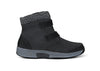


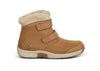
 Quick Shop
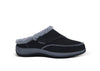


 Hands-Free
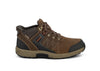


 Quick Shop

 Quick Shop


 Quick Shop

 Hands-Free


 Hands-Free


 Hands-Free



 Quick Shop
 Quick Shop
 Hands-Free


 Hands-Free

 Hands-Free

 Hands-Free
 Hands-Free


 Hands-Free


 Hands-Free
 Quick Shop


 Quick Shop


 Hands-Free



 Hands-Free


 Quick Shop


 Hands-Free

 Quick Shop


 Hands-Free
 Quick Shop



 Hands-Free






 Quick Shop

 Hands-Free




 Quick Shop


 Hands-Free


 Quick Shop


 Hands-Free



 Hands-Free

 Hands-Free
 Quick Shop

50 of 50 products
FAQs
How does Orthofeet® help reduce plantar fasciitis pain?
We focus on the root cause of plantar fasciitis pain. Each pair combines arch support, heel cushioning, and proper alignment features to help reduce strain on your plantar fascia.
It's worth noting that our premium orthotic insoles with adjustable arch support alleviate strain and pressure on the plantar fascia ligament and heel. Explore our insoles designed to support plantar fasciitis.
What are the key features of Orthofeet's plantar fasciitis shoes?
Plantar fasciitis is a condition that can cause intense heel pain and make walking a daily struggle. Orthofeet's Ortho-Cushion System and premium orthotic insole feature superior technology that alleviates strain and pressure on the plantar fascia when walking, standing, or running.
Key Features of Orthofeet Plantar Fasciitis Shoes:
Key Features of Orthofeet Plantar Fasciitis Shoes:
- Orthotic insole supports arch, controls overpronation & eases strain on the fascia
- Soft, foam padded interior eliminates pressure points and protects foot & heel
- Ergonomic sole with mild rocker bottom & air pockets disperses shock forces, propels the foot forward & facilitates walking
- Multi layer cushioning & heel cupped insert reduces impacts on the heel
Can shoes trigger plantar fasciitis?
Yes, shoes can trigger or exacerbate plantar fasciitis. Wearing a walking shoe, or a running shoe lacks proper support can put extra pressure on the plantar fascia and that can cause or worsen plantar fasciitis.
What shoes should I avoid if I have plantar fasciitis?
- High heels put a lot of stress on your feet, including the plantar fascia.
- Running or walking shoes with no cushioning don't absorb impacts on the feet and exacerbate plantar fasciitis symptoms.
- Worn-out shoes tend to lack proper support and cushioning.
- Shoes with a narrow toe box squeeze your toes together, pressuring the ball-of-foot.
- Flat shoes that don't offer any arch support, such as flip-flops or ballet flats. Instead opt for our orthopedic arch support shoes.
- Tight shoes compress and put pressure on your feet.
Does arch support help with plantar fasciitis?
Yes, arch orthotic lifts up, supports and stabilizes the arch of the foot, reducing plantar fascia pain and inflammation. Try our arch support slippers for house shoes that offer unparalleled relief from discomfort related to plantar fasciitis.
Can the right shoes help with plantar fasciitis?
While shoes can't cure plantar fasciitis, wearing the best shoes for plantar fasciitis can help relieve heel pain and reduce everyday pain and discomfort. Look for footwear that combines arch support, cushioning and support, and a stable sole to reduce strain on the plantar fascia. Whether you're walking, working, or exercising, supportive footwear may provide lasting pain relief while helping improve comfort throughout the day.
Can I wear plantar fasciitis shoes all day?
Yes. Many people experience the most pain relief by wearing supportive shoes throughout the day instead of switching between supportive and unsupportive footwear. Shoes with ample underfoot cushioning and support help reduce stress on the plantar fascia during prolonged standing or walking, making them a great choice for daily wear.
Are walking shoes or running shoes better for plantar fasciitis?
Both walking shoes for plantar fasciitis and supportive running shoes can help, depending on your activity level. Walking shoes are typically designed to provide stability and all-day comfort, while running shoes often include extra cushioning to handle higher-impact movement. The best walking shoes for plantar fasciitis combine excellent arch support, heel cushioning, and a stable design that helps reduce pressure on the plantar fascia.
Are wide shoes better for plantar fasciitis?
Wide shoes can support plantar fasciitis, but choosing the correct width is important. If you have wide feet, wide toe-box shoes can reduce pressure on your toes and forefoot while allowing your feet to move more naturally. Those with medium-width feet should choose shoes that fit securely without feeling tight. Selecting the right shoe size and width helps improve stability and overall comfort while reducing unnecessary foot strain.
How do you shop for the best shoes for plantar fasciitis
It’s important to find a supportive shoe or sandal with built-in arch support that help control over-pronation, and consequently work to alleviate the strain on the plantar fascia and the foot pain associated with it. When you need to use special insoles or custom orthotics for plantar fasciitis you should look for shoes that come with removable insoles, such as Orthofeet shoes.